Services

How to Manage eScrap with a Certified R2 eScrap Recycler Service
How to Manage eScrap with a Certified R2 eScrap Recycler

With the current times, technology is consistently progressing with the yearly arrival of new items. Despite being more connected than we’ve ever been before, there is a downside – electronic waste. Furthermore, this waste, also known as eScrap or eWaste, frequently contains dangerous materials like lead and mercury. eScrap is any bothersome electronic device, which around 20 to 50 million metric tons are thrown out worldwide every year. It is a huge problem that requires a certified r2 eScrap recycler.

On an international level, mobile phones are purchased by 25% of the world each year. Additionally, millions of electronics such as cell phones, TVs, PCs, and tablets find their way into the dumpster.

Best Company to Recycle Scrap eScrap Service
Best Company to Recycle Scrap eScrap

There is an abundance of electronic scrap as Americans discard an average of 130,000 personal computers every day. Electronic waste or eWaste describes discarded electrical or electronic devices. As a result, used electronics is one of the quickest developing sources of waste worldwide.

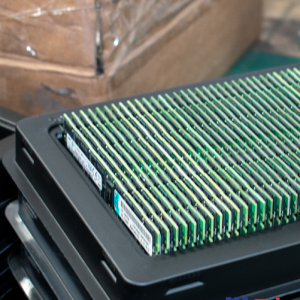
We purchase components, whole units, peripherals, batteries and boards, and precious metal anywhere in North America for processing. Thus, recycling these items can be very lucrative.

Genuinely, for every 1 million cell phones that are recycled, 35,274 pounds of copper, 772 pounds of silver, 75 pounds of gold, and 33 pounds of palladium can be recovered. We offer computer disposal St Louis MO.

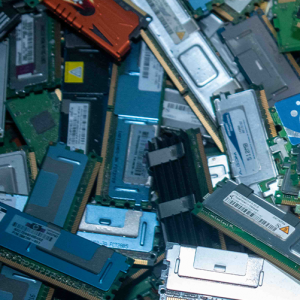
Scrap computers and electronics contain valuable materials, including:

  • Copper
  • Tin
  • Iron
  • Aluminum
  • Fossil fuels
  • Titanium
  • Gold
  • Silver

The fast cash recyclers can earn from a pile of scrap leads to users researching “best company to recycle scrap eScrap.”

As a result, a company that qualifies as the best company to recycle scrap eScrap will be certified and reputable.

In addition, we are a global recycling company giving metals, computers, and electronics recycling services to the industrial, dealer, and government affiliations all through the western hemisphere. Furthermore, recycling scrap computers and electronics take into account recyclers like us to collect valuable materials, save natural resources, reduce pollution, conserve landfill space, and create jobs.

We were the second company on the planet to receive R2:2013 certification. The R2 standard fosters responsible recycling. Thus, the company regularly audits our downstream vendors right to the end consumers, using the R2:2013 standard. This assures our suppliers of our commitment to the compliance and integrity of our downstream vendors.

What to Know About Recycling eScrap Service
What to Know About Recycling eScrap

eScrap is changing into the world’s speediest developing trash stream. Americans discard an average of 130,000 personal computers constantly and that does not even consolidate cell phones. This is increasing considering the way that newer and better telephones are dependably being introduced into the marketplace. In fact, for every 1 million cell phones that are recycled, 35,274 pounds of copper, 772 pounds of silver, 75 pounds of gold, and 33 p ounds of palladium can be recouped. Recycling eScrap is crucial. Electronic waste describes discarded electrical or electronic contraptions, and they include:

  • Computers
  • Phones
  • Televisions
  • Fax machines
  • Stereos, etc.

These things pile up with every customer or business that utilizes innovation, which can cause harm to the climate. Notwithstanding, the waste made that is supervised through recycling eScrap can be totally profitable for a recycler and their surroundings.

A recycler should execute the following steps carefully:

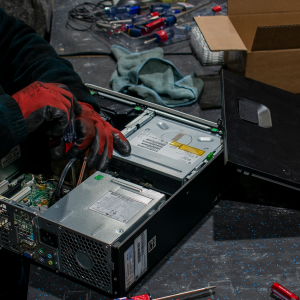
  1. Collection of the eScrap from dumping or deposit points
  2. Break them with a hammer
  3. Separate individual components (plastic, glass, copper, and other metallic materials)
  4. Take individual materials to their different recycling points for further processing
  5. Pack non-recyclable materials and properly dispose of them.